


Herbal Joint Supplement for Arthritis: Natural Relief Options
Herbal joint supplements have gained popularity as natural alternatives for managing arthritis symptoms. These products often contain various plant-based ingredients known for their anti-inflammatory properties. Understanding the key components and their effects can help individuals explore their options. This article provides an overview of common herbal ingredients and their potential benefits for joint health.
Understanding Arthritis and Joint Pain
Arthritis is a common condition characterized by inflammation and pain in the joints. It leads to discomfort and can significantly affect mobility and quality of life.
Types of Arthritis Affecting Joints
There are several types of arthritis, each with distinct characteristics and implications for joint health.
Osteoarthritis and Its Impact on Joint Health
This is the most prevalent form of arthritis, commonly associated with aging and wear on the joints. Osteoarthritis results in the breakdown of cartilage, which cushions the ends of bones in the joints. As the cartilage deteriorates, bones may rub against each other, leading to pain, inflammation, and stiffness. Over time, this can reduce mobility and affect daily activities.
Rheumatoid Arthritis as an Autoimmune Disease
Rheumatoid arthritis (RA) is an autoimmune disorder where the immune system mistakenly attacks the joints. This chronic condition causes inflammation, primarily in the lining of the joints, which leads to joint damage. Unlike osteoarthritis, RA can affect people of all ages and often presents with systemic symptoms, including fatigue and fever.
Psoriatic and Juvenile Arthritis Overview
Psoriatic arthritis occurs in individuals with psoriasis, a skin condition characterized by red, scaly patches. This type can lead to joint pain and swelling in various locations. Juvenile arthritis encompasses several types of arthritis that affect children, causing joint inflammation and possibly affecting growth and development.
How Inflammation Causes Pain and Stiffness
Inflammation plays a crucial role in the symptoms experienced by individuals with arthritis. When the body's immune response is triggered, inflammatory chemicals are released, leading to swelling, redness, and heat in the affected areas. This process contributes to stiffness, making movement painful and limited.
The Role of Immune System in Rheumatoid Arthritis
The immune system's malfunction in rheumatoid arthritis results in persistent inflammation that damages joint structures. In RA, the synovial membrane, which lines the joints, becomes inflamed and thickened, leading to pain and eventual joint destruction. Understanding this mechanism is essential for developing effective treatment strategies aimed at modulating the immune response.
Common Herbal Ingredients in Joint Supplements
Several herbal components have gained attention for their potential to alleviate joint discomfort and inflammation. These natural ingredients are often included in dietary supplements aimed at supporting joint health.
Curcumin Extract and Its Anti-Inflammatory Effects
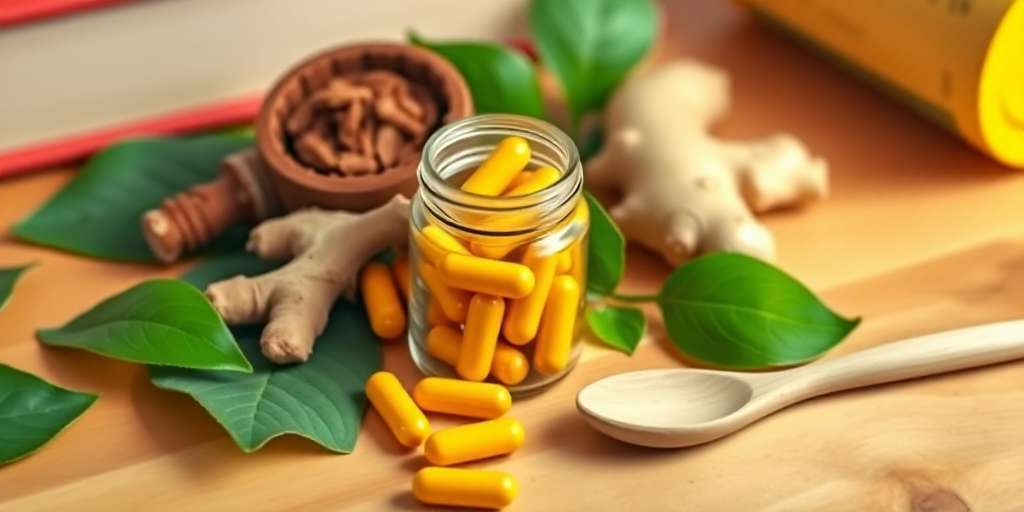
Curcumin, the active compound found in turmeric, is widely recognized for its potent anti-inflammatory properties. Its ability to reduce swelling and pain makes it a popular choice in joint supplements.
Dosage Recommendations for Curcumin
For effective results, daily dosages of curcumin typically range between 500 mg to 1,000 mg. It's important to consider that the body naturally absorbs curcumin poorly, so choosing supplements with enhanced bioavailability may maximize its benefits.
Clinical Trials Supporting Curcumin Use
Numerous studies have explored curcumin's impact on arthritis symptoms, demonstrating significant reductions in pain and improvements in mobility. These clinical trials support its role as a complementary therapy for managing arthritis-related discomfort.
Boswellia Serrata and Inflammation Reduction
Boswellia serrata, commonly known as Indian frankincense, is another herbal ingredient noted for its anti-inflammatory effects. Its extract is often incorporated into joint supplements for its therapeutic benefits.
Mechanisms Behind Boswellia’s Effectiveness
The active compounds in Boswellia inhibit the lipoxygenase enzyme, which plays a key role in the inflammatory process. This mechanism may contribute to its effectiveness in reducing joint pain and stiffness.
Studies Showing Boswellia Benefits for Arthritis Pain
Research indicates that Boswellia can significantly lessen pain and improve function in individuals suffering from osteoarthritis and rheumatoid arthritis. Patients have reported improved quality of life after incorporating Boswellia into their supplement routine.
Ginger Extract as a Natural Pain Reliever
This well-known root offers more than just culinary benefits; ginger extract has been used medicinally for centuries, specifically for its anti-inflammatory properties, which can assist in pain management.
Active Compounds and Their Impact on Inflammation
Gingerol and shogaol are two potent compounds found in ginger that provide pain-relieving and anti-inflammatory effects. These compounds may help reduce joints' inflammation by blocking pro-inflammatory cytokines.
Devil’s Claw and Chronic Pain Relief
Originating from Africa, Devil’s Claw has made a name for itself as a traditional remedy for pain relief. It is especially favored for its potential benefits in osteoarthritis and related conditions.
Efficacy in Osteoarthritis and Joint Stiffness
Devil's Claw has demonstrated effectiveness in alleviating joint pain, particularly in osteoarthritis patients. Its ability to mitigate chronic pain makes it a valuable addition to herbal joint supplements.
Omega-3 Fatty Acids from Fish Oil
Well known for heart health, omega-3 fatty acids also play a crucial role in combating inflammation and supporting joint health, particularly in individuals with rheumatoid arthritis.
Anti-Inflammatory Properties of Omega-3
These essential fatty acids help reduce inflammation by limiting the production of inflammatory molecules in the body. This action can lead to significant improvements in joint function and pain relief.
Effects on Rheumatoid Arthritis Symptoms
Studies indicate that omega-3 fatty acids can help reduce stiffness and joint swelling in people with rheumatoid arthritis. A regular intake of these fatty acids may enhance overall joint health and improve quality of life.
Synergistic Supplements: Glucosamine and Chondroitin
Combining glucosamine and chondroitin in supplements has gained traction as a strategy for enhancing joint health. These ingredients have unique properties that may work together to improve joint function and alleviate discomfort associated with arthritis.
How Glucosamine Supports Joint Cartilage
Glucosamine is a naturally occurring compound found in the body, particularly in cartilage, and plays a critical role in maintaining joint health. Its primary function is to help in the synthesis of glycosaminoglycans, which are essential for forming and repairing cartilage. This makes glucosamine a key player in preserving the structural integrity of joints.
Research indicates that glucosamine may help stimulate the production of cartilage components, promoting regeneration and slowing degeneration. This can be particularly beneficial for individuals suffering from osteoarthritis, where cartilage breakdown occurs, leading to pain and reduced mobility.
Chondroitin’s Role in Reducing Joint Pain and Swelling
Chondroitin sulfate is another natural substance that contributes significantly to cartilage health. This ingredient works by attracting water into the cartilage, helping maintain its elasticity and cushioning properties. It also has anti-inflammatory effects that can assist in reducing joint pain and swelling.
Clinical studies have shown that chondroitin may help improve joint function and decrease pain in individuals with arthritis. By reducing inflammation, it can enhance overall mobility, making daily activities more manageable for those affected by joint issues.
Combined Use and Its Effectiveness for Osteoarthritis
When glucosamine and chondroitin are taken together, they may provide a synergistic effect that enhances the benefits of each compound. Many studies have explored this combination, demonstrating that the duo can significantly improve symptoms of osteoarthritis compared to taking either supplement alone.
- Studies suggest improved pain relief when both supplements are used concurrently.
- Individuals may experience enhanced joint function, allowing for greater physical activity levels.
- The combination may reduce the need for non-steroidal anti-inflammatory drugs (NSAIDs), offering a natural alternative.
The effectiveness of this combination can depend on individual factors, such as the severity of arthritis and adherence to supplementation guidelines. Some patients report noticeable improvements within a few months of incorporating glucosamine and chondroitin into their daily routine, highlighting their potential as effective complementary treatments.
Evaluating Supplement Claims and Scientific Evidence
Analyzing the credibility of herbal supplement claims involves examining scientific research and understanding the limitations associated with these products. This section delves into clinical studies, potential placebo effects, and the critical aspects of quality in herbal supplements.
What Clinical Trials Have Shown About Herbal Supplements
Clinical trials serve as a cornerstone for evaluating the effectiveness of herbal supplements. Multiple studies have been conducted to assess the impact of various herbal ingredients on joint health and pain relief.
-
Research indicates that curcumin, for instance, has shown promise in reducing inflammation. Some randomized controlled trials suggest a significant decrease in pain scores among participants taking this supplement compared to a placebo group.
-
Boswellia serrata's effectiveness has also been supported by clinical trials. Results indicate that participants experienced a reduction in joint swelling and pain. However, more extensive studies are essential to solidify these claims.
-
Ginger extract has demonstrated anti-inflammatory properties in some trials, leading to a noticeable decrease in arthritis symptoms. The consistency of results across studies bolsters the credibility of these claims.
Understanding Potential Limitations and Placebo Effects
While many clinical trials illustrate positive outcomes, it is crucial to recognize the limitations inherent in herbal supplement research. The placebo effect can significantly influence patient perception of effectiveness.
-
Some studies may lack sufficient sample sizes, leading to inconclusive results. Smaller trials often result in variability that may not truly represent the broader population’s response.
-
Additionally, the duration of studies can affect results. Many trials are short-term, which may not capture the long-term benefits or side effects of herbal supplements.
-
Moreover, the methodology used in trials might introduce bias. Double-blind, placebo-controlled studies are necessary but not always the standard, potentially skewing results towards more positive interpretations.
Identifying Quality and Standardization in Herbal Products
Quality and standardization are pivotal in ensuring the safety and efficacy of herbal supplements. With varying regulations across the industry, such qualities can significantly differ from one product to another.
-
Consumers should be aware of the importance of third-party testing. Products validated by independent organizations often meet higher standards for potency and purity.
-
Label transparency is vital. Supplements should clearly list their ingredients and concentrations to enable informed decisions by consumers.
-
Understanding the origin of herbal ingredients is also essential. Plants cultivated in optimal conditions typically yield higher-quality extracts that are more effective.
Safety, Interactions, and Side Effects of Herbal Joint Supplements
Understanding the safety profile, potential interactions, and possible side effects of herbal joint supplements is crucial for ensuring a positive experience. These products, while often beneficial, can pose risks if not used carefully.
Possible Interactions with Prescription Medications
Herbal supplements can interact with various prescription medications, which may alter their effectiveness or increase the risk of adverse effects. Some notable interactions include:
- Anticoagulants: Certain supplements, such as Ginkgo biloba and garlic, may increase the risk of bleeding when taken with blood thinners like warfarin.
- Diabetes Medications: Herbs like bitter melon and fenugreek can lower blood sugar levels and may enhance the effects of diabetes medications, leading to hypoglycemia.
- Anti-inflammatory Drugs: Combining herbal supplements with nonsteroidal anti-inflammatory drugs (NSAIDs) may increase the risk of gastrointestinal issues.
- Immunosuppressants: Herbal products such as echinacea may stimulate the immune system and conflict with immunosuppressive therapies.
Common Side Effects and How to Avoid Them
While many individuals tolerate herbal joint supplements well, some may experience side effects. Common issues can include:
- Gastrointestinal Disturbances: Nausea, diarrhea, or bloating can occur due to various herbs. Taking supplements with food can help mitigate these symptoms.
- Allergic Reactions: Some individuals may be allergic to specific herbal ingredients, resulting in rashes or respiratory issues.
- Fatigue or Dizziness: Some supplements may have sedative effects and lead to feelings of tiredness or lightheadedness.
To minimize risks, it is advisable to start with lower doses and monitor the body’s responses closely.
Consulting Your Doctor Before Taking Supplements
Before beginning any supplement regimen, particularly for managing arthritis, consulting a healthcare provider is essential. A doctor can provide insights into:
- The potential benefits and risks associated with specific herbal supplements.
- How the supplements may interact with existing medical conditions and medications.
- Monitoring strategies to ensure safety while using the supplements.
Engaging in a dialogue with a healthcare professional enhances safety and supports informed decision-making regarding the use of herbal joint supplements.
Dosage and Daily Use Guidelines for Herbal Supplements
Understanding the proper dosage and guidelines for daily use of herbal supplements is essential to maximize their effectiveness and safety. These recommendations are crucial for individuals contemplating the integration of herbal products into their wellness regimen.
Recommended Daily Dosage for Key Herbal Ingredients
When considering herbal supplements, it's imperative to follow established dosage recommendations for key ingredients known for their joint health benefits. These include:
- Curcumin: A daily intake of 500 to 1000 mg of curcumin extract is generally recommended for its anti-inflammatory properties.
- Boswellia Serrata: Typical dosages range from 300 to 500 mg, taken two to three times daily, depending on product concentration.
- Ginger Extract: An effective dose often falls between 500 to 1000 mg each day, which may help alleviate joint pain.
- Devil’s Claw: A usual dosage is about 600 to 1200 mg, taken in divided doses throughout the day.
- Omega-3 Fatty Acids: For beneficial effects, consuming around 1000 mg to 3000 mg per day is advisable, usually sourced from fish oil or flaxseed oil.
Tips for Taking Supplements Safely and Effectively
Adhering to safe practices when taking herbal supplements can enhance their efficacy and minimize the risk of adverse effects. Consider the following guidelines:
- Consult a healthcare professional: Before starting any new supplement, discussing it with a doctor or pharmacist can help ensure compatibility with current medications and health conditions.
- Choose high-quality products: Select supplements from reputable brands that provide transparent information about sourcing, quality testing, and ingredient concentration.
- Follow instructions carefully: Always adhere to the product's instructions regarding dosage and timing to achieve optimal results.
- Be mindful of your body's response: Monitor how your body reacts to supplements and report any adverse effects to a healthcare provider.

Adjusting Dosage Based on Symptoms and Doctor Advice
Individuals may need to adjust their dosage depending on personal health circumstances and medical advice. Factors to consider include:
- Severity of symptoms: Those experiencing more intense joint pain or inflammation might require higher doses under medical supervision.
- Response to treatment: Regular follow-ups with a healthcare provider can help determine if dosage adjustments are necessary based on symptom relief.
- Other health conditions: Pre-existing conditions may warrant modifications to dosage to avoid potential interactions or exacerbate existing issues.
Supportive Lifestyle Choices for Joint Health
A supportive lifestyle encompasses healthy eating, appropriate physical activity, and emotional well-being. Each of these elements plays an essential role in managing joint health, particularly for those experiencing arthritis symptoms.
Eating Healthy to Complement Supplement Use
Nutrition significantly impacts overall health and can help alleviate joint pain. A well-balanced diet rich in anti-inflammatory foods can enhance the effectiveness of supplements. Key components include:
- Fruits and Vegetables: These foods are packed with antioxidants, vitamins, and minerals that can help reduce inflammation.
- Whole Grains: Choosing whole grains over refined grains can provide essential nutrients and fiber, supporting healthy weight management.
- Healthy Fats: Incorporating sources of omega-3 fatty acids, such as fish, flaxseeds, and walnuts, can help diminish joint inflammation.
- Lean Protein: Including lean sources of protein, such as poultry, beans, and legumes, supports muscle health, which is integral for joint stability.
Exercises That Help Reduce Pain and Improve Mobility
Engaging in regular physical activity can have profound effects on joint health. Specific exercises focused on flexibility, strength, and endurance can aid in managing arthritis symptoms effectively. Recommended activities include:
- Low-Impact Aerobics: Activities like swimming or cycling can increase cardiovascular fitness without placing excessive strain on the joints.
- Strength Training: Building muscle strength can help support and stabilize joints, which may alleviate pain.
- Stretching: Regular stretching improves flexibility and can minimize stiffness, particularly in the morning or after long periods of inactivity.
- Yoga and Pilates: These disciplines promote flexibility and core strength, which contribute to better joint function.
Emotional Well-Being and Its Impact on Arthritis Pain
Emotional health plays a critical role in how individuals experience pain. Stress and anxiety can exacerbate feelings of discomfort, making it important to implement strategies for emotional well-being. Consider the following approaches:
- Mindfulness and Meditation: Techniques that promote relaxation can help manage stress levels and provide mental clarity.
- Support Groups: Connecting with others who face similar challenges can foster a sense of community and provide emotional support.
- Journaling: Writing about thoughts and feelings can serve as a therapeutic outlet and help track factors affecting pain levels.
- Professional Counseling: Seeking guidance from a mental health professional can equip individuals with coping strategies tailored to their unique circumstances.
Real Experiences: What Patients Say About Herbal Joint Supplements
Personal accounts highlight the diverse impact that herbal joint supplements have on individuals coping with arthritis. These stories provide insights into the effectiveness and challenges associated with these natural remedies.
Success Stories from People with Osteoarthritis
Many individuals have reported significant improvements in their quality of life after incorporating herbal joint supplements into their daily routines. Testimonials often mention a reduction in pain and increased mobility. Commonly shared experiences include:
- Enhanced flexibility while performing daily activities.
- A decrease in discomfort during physical exercise.
- Improved overall mood and energy levels due to reduced pain.
Outcomes vary, but many users assert that specific ingredients like curcumin and ginger played crucial roles in alleviating their symptoms. Positive changes have encouraged some to engage in previously avoided activities, such as gardening or walking longer distances.
Managing Rheumatoid Arthritis Symptoms Naturally
Individuals diagnosed with rheumatoid arthritis have also sought natural remedies, finding relief through herbal supplements. These patients often highlight the following benefits:
- Better management of flare-ups with consistent use of boswellia and omega-3 fatty acids.
- Reduced dependence on pharmaceutical medications.
- Less inflammation, leading to improved joint function.
Many report that integrating these supplements into their health regimen has complemented their medical treatments, enabling a more holistic approach to managing their condition.
Challenges Faced by Patients Taking Herbal Supplements
Even with positive testimonials, some patients encounter challenges while using herbal joint supplements. It's essential to recognize that experiences can vary widely based on individual health conditions and responses. Common obstacles include:
- Variability in product effectiveness, with some finding specific brands or formulations not meeting their expectations.
- Initial gastrointestinal discomfort in certain users when starting supplements.
- Concerns regarding interactions with other medications, prompting the need for careful monitoring.
Those facing such issues often emphasize the importance of consulting healthcare professionals before embarking on supplementation. A tailored approach based on individual health profiles can help mitigate these challenges.
